Have faith in the perfect matzo and other traditional dishes this Passover.
Passover (Pesach in Hebrew) is one of the most sacred and widely observed holidays in Judaism. And, like with all good holidays, food plays a central role in the festivities, both as a way to bring family and friends together and as religious symbols.
The Torah commands the observance of seven days of Passover to commemorate the exodus of the enslaved Israelites from Egypt. It is a spring celebration of birth, rebirth and the journey from slavery to freedom.
The holiday beings on the 15th of the Jewish month Nisan—March 30 this year.
On the first two nights of Passover, families and friends gather for a feast known as seder. During the meal, the tale of the exodus is told and rituals corresponding to various aspects of the story are performed.
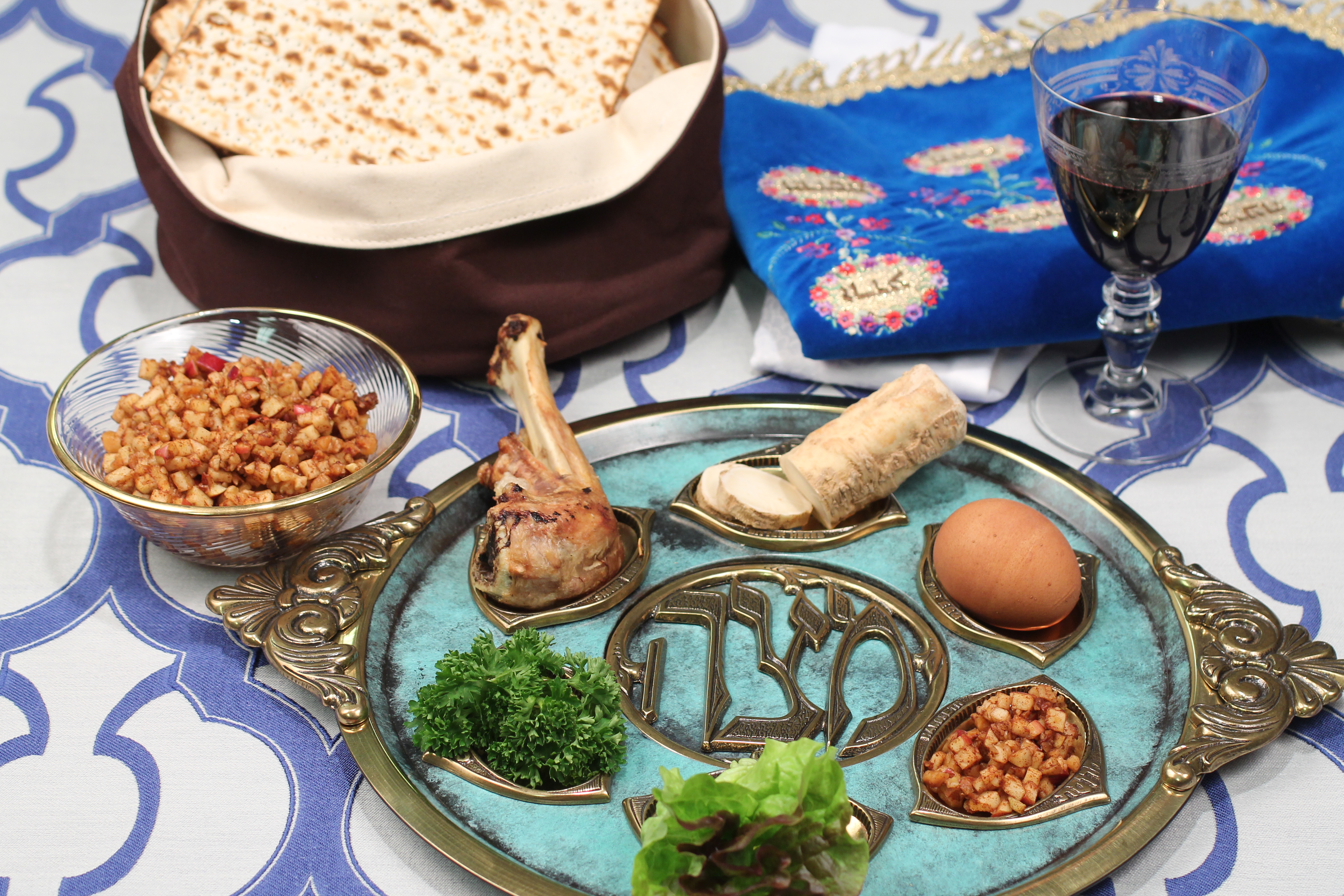
A seder plate on the table contains symbolic foods:
- Z’roa: A lamb shank represents an offering to the Temple.
- Beitzah: An egg is a symbol of rebirth.
- Maror: Bitter herbs are used to represent the bitterness of enslavement.
- Chazeret: Is a bitter green, which is eaten with the maror.
- Karpas: A non-bitter vegetable will be dipped in salt water to symbolize tears from enslavement.
- Haroset: A combination of nuts, apples, and wine represents the mortar and bricks used by the enslaved Jews.
With demands of modern-day life, it can be hard to prepare everything you need for a full seder feast. It can be especially hard when you come to terms with the fact that it’s more than just putting everything together on a seder plate. Among the traditional items also served during Passover are matzo kugel (a pudding made from matzo and apples), gefilte fish, and chicken soup with matzo balls.
Catering by Michaels provides a complete Passover dinner package, from the ingredients you need for a seder plate to traditional gefilte fish and horseradish encrusted salmon filets.